
 en
 日本語
 한국어
 русский


Industry News
 Home / News / Industry News / Best Beach Umbrellas: Buyer's Guide to Stability, Shade, and Portability
Best Beach Umbrellas: Buyer's Guide to Stability, Shade, and Portability
 2026.11.18
 Industry News
Content
- 1 Best Beach Umbrellas Start With Stability, Shade, and Portability
- 2 How Wind, Canopy Shape, and Pole Materials Change Beach Performance
- 3 Portability and Setup: The Details That Decide Whether an Umbrella Travels
- 4 Buyer Priorities by Beach Umbrella Use Case
- 5 Fabric, Trim, and Color Choices for Retail and Rental Programs
- 6 Wholesale and Supplier Checks Before You Commit
- 7 Best Beach Umbrellas FAQ
- 8 Planning a Beach Umbrella Range?
Best Beach Umbrellas Start With Stability, Shade, and Portability
A beach umbrella usually fails in one of two predictable ways: the canopy turns into a sail in a crosswind, or the packed length and weight make it the item left behind at home. The best beach umbrellas solve both problems before the first trip, and they do it without forcing every buyer into the same specification.
Start with the use case, not the canopy diameter. A couple walking ten minutes to a quiet cove has different priorities from a resort buying shade for guest seating, and a family with young children needs a different balance of coverage, anchoring, and setup speed. The practical answer is to match the umbrella to wind exposure, carrying distance, and how often it will be opened and closed.
- Exposed coastline: prioritize venting, a strong hub, and a reliable sand anchor.
- Family shade: look for a wider canopy, stable tilt control, and enough packed weight for one person to carry.
- Travel and city beach trips: compare packed length, handle shape, and whether the umbrella fits a car boot or backpack.
- Wholesale and rental programs: confirm replacement parts, fabric consistency, packing method, and order lead time.
For a buyer, the useful conclusion is simple: the best beach umbrellas are the ones that stay upright, stay comfortable, and stay in use. Canopy size matters, but it is only one part of a system that includes ribs, vents, pole material, and anchoring.
The best beach umbrellas balance a secure anchor, a vented canopy, and a packed weight you will actually carry; size alone is not a buying standard.
How Wind, Canopy Shape, and Pole Materials Change Beach Performance
Wind is the first real test. A canopy that lifts, twists, or pulls the pole sideways creates discomfort quickly, even on a bright day. Shape, venting, and frame stiffness work together, and a large canopy without enough structure can be harder to manage than a smaller, better-braced design.
Canopy size and venting
A wider canopy gives more shade, but shade moves as the sun angle changes. Buyers should look at the shade footprint in real use, not just the diameter printed on a specification sheet. A vented canopy allows air to pass through, which can reduce lift and heat build-up. Single-vent and double-vent designs are common; the key is to check whether the vent has a clean airflow path and whether the fabric returns to shape after a gust.
Frame materials and rib count
Fiberglass ribs offer flex and tend to handle vibration well. Aluminum is lighter and resists corrosion, but joint quality matters. Steel can add strength for heavy-duty or rental use, yet weight and coating quality become more important. Rib count is useful, but it is not a guarantee by itself; hub design, rib thickness, and the connection between the pole and canopy often decide how long an umbrella lasts.
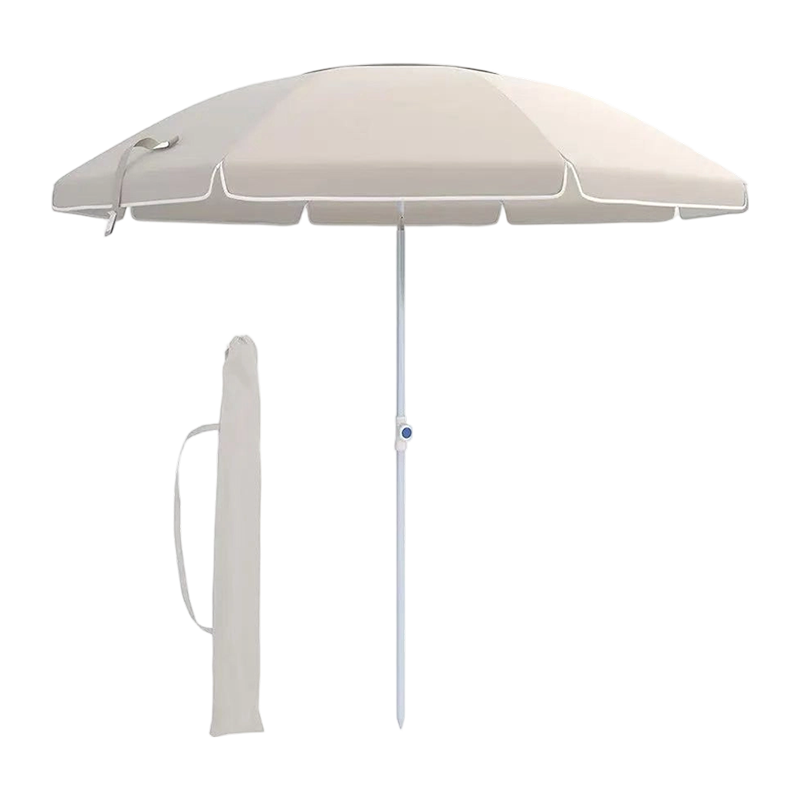
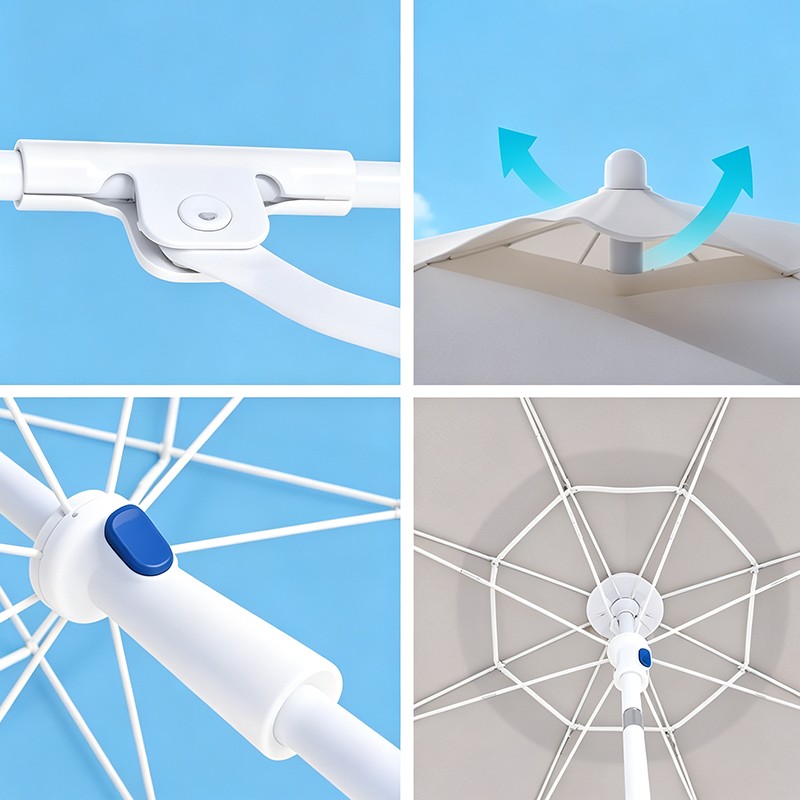 Fiberglass Rib Beach Umbrella with Steel PoleFiberglass ribs, a tiltable galvanized steel pole, and a vented polyester canopy make this umbrella worth reviewing for leisure or commercial shade.View Product →
| Criterion | Practical check | Why it matters |
|---|---|---|
| Canopy size | Compare shade footprint, not only diameter | Shade shifts with sun angle and wind |
| Venting | Check airflow path and fabric recovery | Reduces lift and trapped heat |
| Pole material | Fiberglass for flex, aluminum for weight, steel for heavy duty | Each option trades weight, strength, and corrosion resistance |
| Fabric | Confirm UV treatment, colorfastness, and cleaning method | Fading and heat affect appearance and service life |
| Hub and ribs | Inspect joints, locks, and replacement part availability | Weak joints often fail before the fabric |
| Anchoring | Match sand screw, weight bag, or auger to local conditions | An unsecured umbrella is a safety risk |
The table is a sample checklist rather than a ranking. A beach umbrella manufacturer should be able to explain which specification suits which use case, and a supplier should provide consistent samples so buyers can compare fabric hand, hub movement, and pole flex before committing to a volume order.
A vented canopy and a matched anchoring system matter more than a high rib count alone, because lift and pull-out cause most beach umbrella failures.
Portability and Setup: The Details That Decide Whether an Umbrella Travels
The umbrella that stays in the car is not useful. Packed length, carry weight, and setup steps decide whether a product becomes a regular beach companion or a seasonal purchase that stays in storage. For retail buyers, these details also affect returns and customer satisfaction.
Packed length and weight
A compact beach umbrella should be measured with the carry bag included, because handles, spikes, and folded rib tips can add length. Weight should be judged against the walk from car to sand, not just against the product alone. A slightly heavier umbrella with a comfortable shoulder strap may be easier to manage than a lighter model with a poor bag design.
Setup steps and anchoring
Setup should be predictable. A sand screw needs a stable turning motion; a weight bag needs enough fill capacity; a tilt hub should lock without pinching fingers. For family use, one-person setup is a practical target. For rental or resort use, staff should be able to check anchors and canopy locks quickly between guests.
- Confirm whether the umbrella includes a sand anchor, weight bag, or both.
- Check the carry bag length before comparing packed dimensions.
- Test tilt and lock controls with wet hands or sandy hands in mind.
- Ask whether replacement ribs, hubs, or fabric covers are available.
Portability is a design decision, not an afterthought; packed length, bag shape, and one-person setup often determine real-world use.
Buyer Priorities by Beach Umbrella Use Case
The chart below ranks common buyer priorities by beach scenario, using a simple planning view rather than a laboratory score. It helps compare where a product should focus first when one umbrella cannot serve every customer equally.
What buyers rank first by beach umbrella use case
Wind stability for exposed coast
82
Shade coverage for family use
76
Portability for daily carry
71
Packing and margin for wholesale
68
Trim and color for retail display
54
Wind stability leads because a beach umbrella that cannot hold its position creates immediate problems for the user. Family shade ranks close behind, especially where children or older users need a reliable rest area. Portability remains important for casual beachgoers who carry their own equipment, while packing efficiency and margin matter more to wholesalers and rental operators.
Retail display value is still relevant, but it should not come at the cost of structure. A supplier that understands these trade-offs can help a buyer build a range with clear roles: a lightweight model for travel, a wider model for family shade, and a heavier-duty option for exposed sites or commercial use.
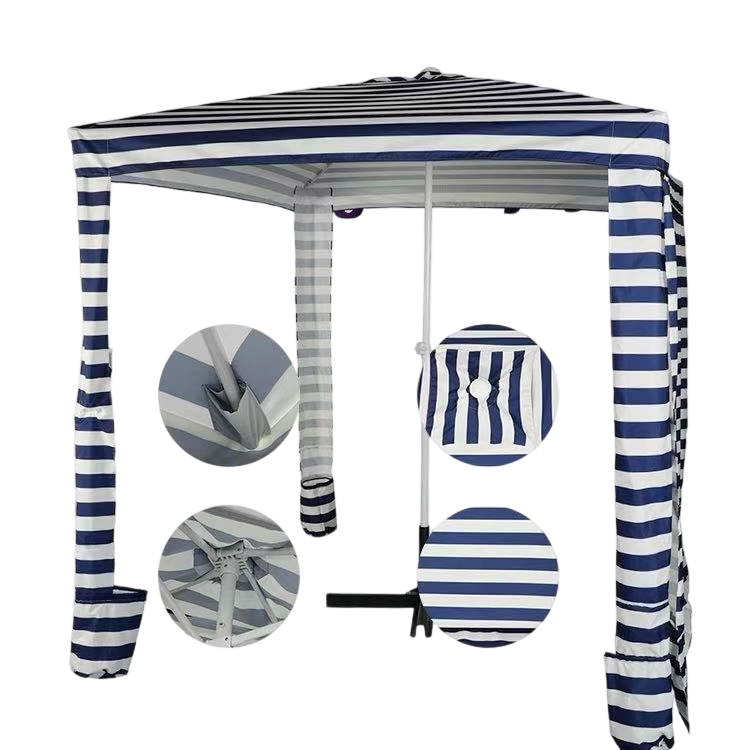
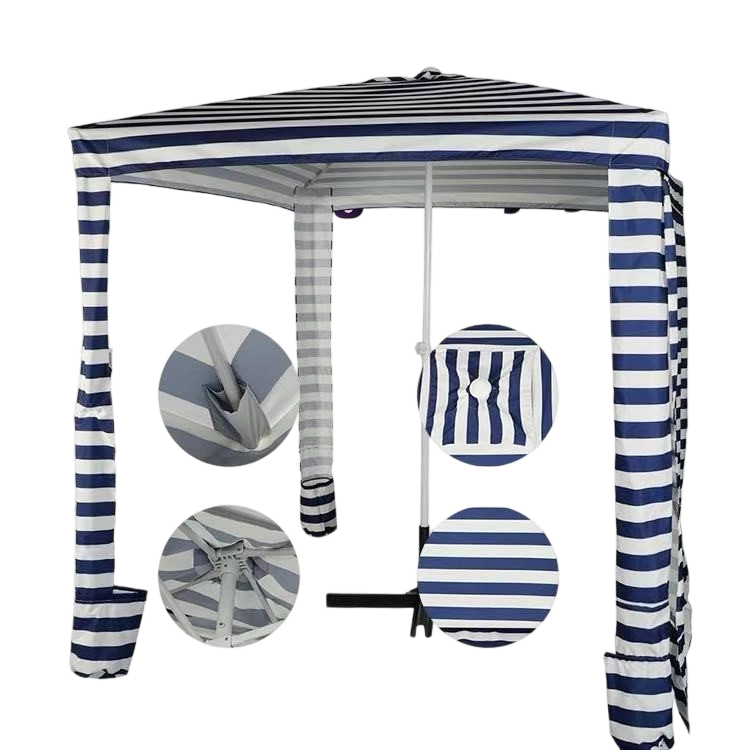 Square Beach Cabana with Reinforced Steel FrameThis semi-enclosed 1.8m square cabana uses a reinforced steel frame and 160g polyester canopy for structured shade and privacy at resort or poolside settings.View Product →
Match each beach umbrella model to a clear use case; a range with defined roles sells better than several products that claim to do everything.
Fabric, Trim, and Color Choices for Retail and Rental Programs
Fabric and trim affect more than appearance. They influence heat under the canopy, color retention, cleaning effort, and how a product is perceived in a store or resort setting. For buyers, the goal is to choose finishes that support the intended price point without creating predictable maintenance problems.
Fabric and UV performance
Look for clear information on UV treatment, colorfastness, and cleaning recommendations. Solution-dyed fabrics are often chosen where color retention matters, while coated fabrics may offer different hand feel and water resistance. The right choice depends on whether the umbrella will face salt air, strong sun, or frequent handling by rental staff.
Trim, print, and color coordination
Trim details can help a retail range stand out, but they should be attached securely and checked for fraying. Coordinated colors work well for resort seating, event rentals, and matched outdoor sets. For wholesale programs, confirm whether colors can be repeated across orders and whether replacement canopies match earlier shipments.
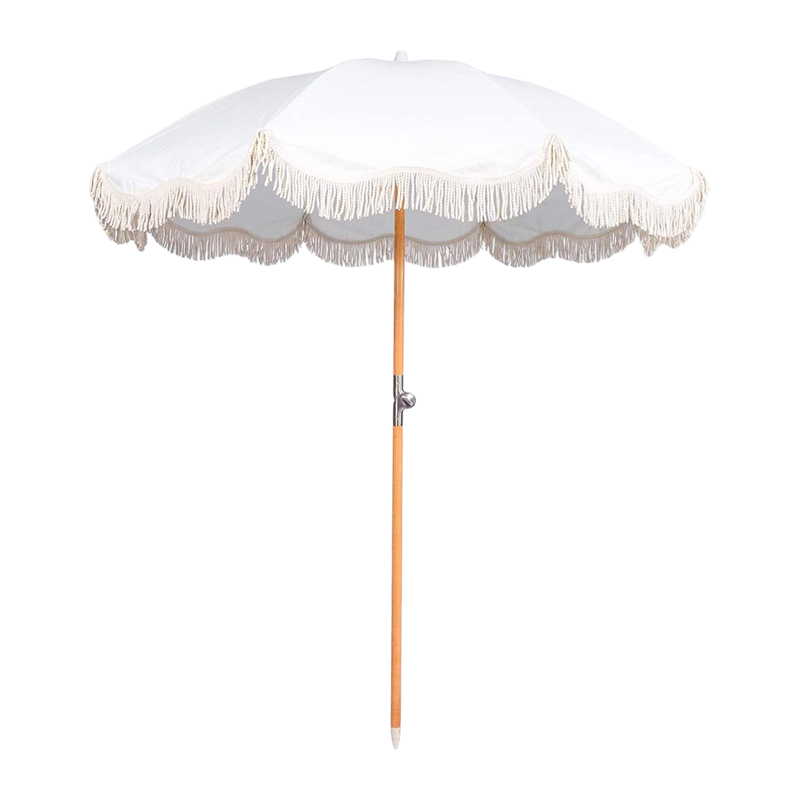
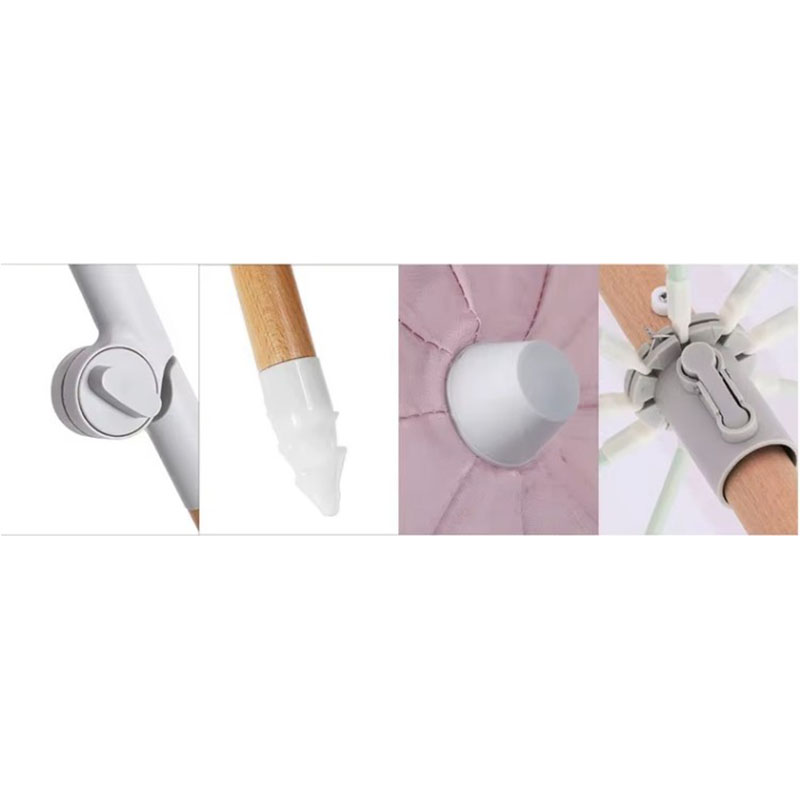 Tasseled Wooden-Pole Beach Umbrella with Cotton CanopyA wooden-pole beach umbrella with fiberglass ribs, 200g cotton canopy, and tassel trim suits resort, event, or boutique outdoor settings.View Product →
A beach umbrella wholesaler should be able to discuss fabric swatches, trim durability, and packing methods together, because these choices affect both the customer experience and the cost of after-sales support.
Fabric and trim should be selected for the selling environment, not only for the sample photo; colorfastness and secure finishing protect the retail promise.
Wholesale and Supplier Checks Before You Commit
For B2B buyers, the best beach umbrellas are not just well-designed samples. They are products that can be repeated, packed, shipped, and supported at the agreed quality level. A beach umbrella manufacturer should provide a clear specification, a consistent sample process, and practical answers on replacement parts and order planning.
A useful starting point is the beach and garden umbrella wholesale guide, which helps frame the difference between casual retail assortment and volume supply. Buyers should also confirm whether the factory can support mixed models, custom colors, and private label packing without weakening quality control.
Production background matters. A manufacturer with a 9,000-square-meter production base, more than 120 staff, and experience across beach, garden, folding, and stick umbrellas can usually organize a broader range than a narrow trading supplier. That range is useful when a retailer needs one supplier for beach shade, patio shade, and everyday folding umbrellas.
- Request a pre-production sample and compare it with the bulk order specification.
- Confirm packing dimensions, carton strength, and how anchors are protected in transit.
- Ask which spare parts are available and how they are ordered.
- Review lead time against the selling season, not only against the sample date.
- Check whether colors, trims, and canopies can be repeated in later orders.
Choose a beach umbrella supplier that can repeat the approved sample, document the specification, and support the product after the first shipment.
Best Beach Umbrellas FAQ
What are the best beach umbrellas for windy coastal areas?
Look for a vented canopy, a stable hub, and a strong anchoring method. Fiberglass ribs can add flex, while a sand screw or weight bag should match the beach conditions. A larger canopy is not automatically better if the frame and anchor cannot control lift.
Is a larger canopy always better?
No. A larger canopy gives more potential shade, but it also catches more wind and takes more effort to carry and set up. For couples or solo users, a moderate canopy with good venting is often easier to live with. Families may prefer more coverage if they can manage the packed weight and anchor.
What fabric should I look for?
Ask about UV treatment, colorfastness, and cleaning method. The right fabric depends on whether the umbrella will face strong sun, salt air, or frequent rental handling. Consistent color matching across repeat orders is also important for retail and resort programs.
How many ribs should a beach umbrella have?
Rib count is a useful indicator, but it is not a complete measure of strength. Joint quality, rib thickness, hub design, and pole material all affect performance. Buyers should compare the whole frame rather than choosing only by the number of ribs.
What should a wholesaler ask a beach umbrella supplier?
A wholesaler should ask for sample approval, packing details, replacement part availability, repeat-color confirmation, and realistic lead times. It is also worth checking whether the supplier can support a mixed range of beach, garden, and folding umbrellas from one production base.
The best beach umbrellas for any buyer are the models with a documented specification, a suitable anchor, and a supplier who can repeat the approved quality.
Planning a Beach Umbrella Range?
If you are comparing beach umbrella models for retail, rental, or distribution, start with the end use and work backward to canopy, frame, anchor, and packing. A focused range with clear roles is easier to sell and easier to support than a long list of similar products.
Next step: review the umbrella manufacturer profile and production background before requesting samples or discussing a wholesale program.
Use samples to check the details that photos cannot show: hub movement, fabric hand, trim attachment, packed length, and setup with sandy hands. Then confirm color consistency, spare parts, and carton protection before placing a volume order.
Build the beach umbrella range around real use cases and verified samples, then confirm supply consistency before the season starts.

Contact Us
-
Add:
On the east side of Baisong Road in Songyuan District, Shaoxing City, Zhejiang Province -
Phone:
+86-18457587893 -
Email:
grace@qyumbrella.com
Send Inquiry
To Contact Us
Copyright © Shaoxing Shangyu Qianyu Umbrella Co., Ltd. All Rights Reserved.
