en
 日本語
 한국어
 русский


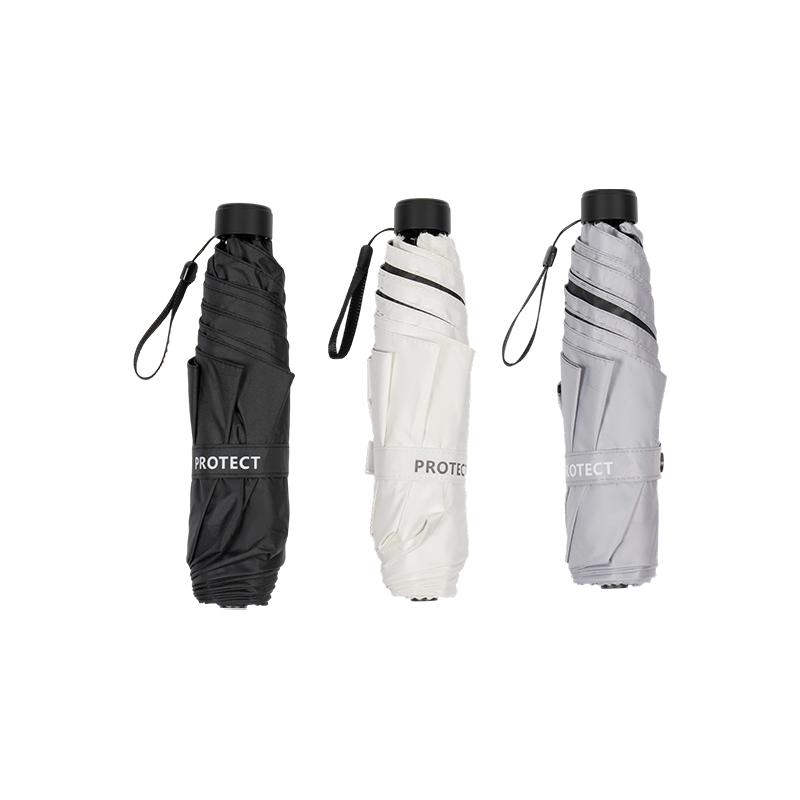
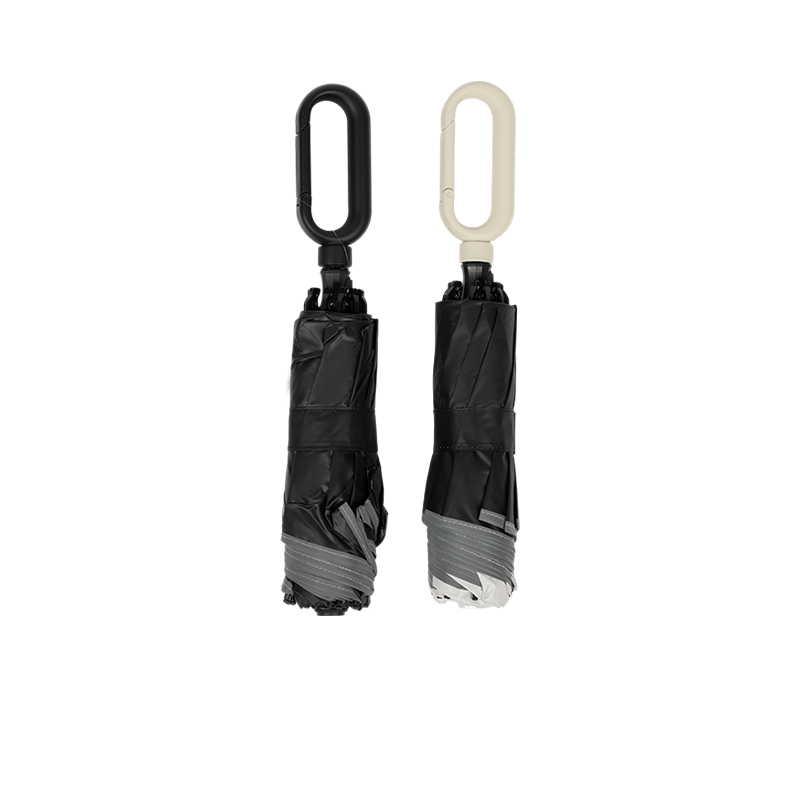
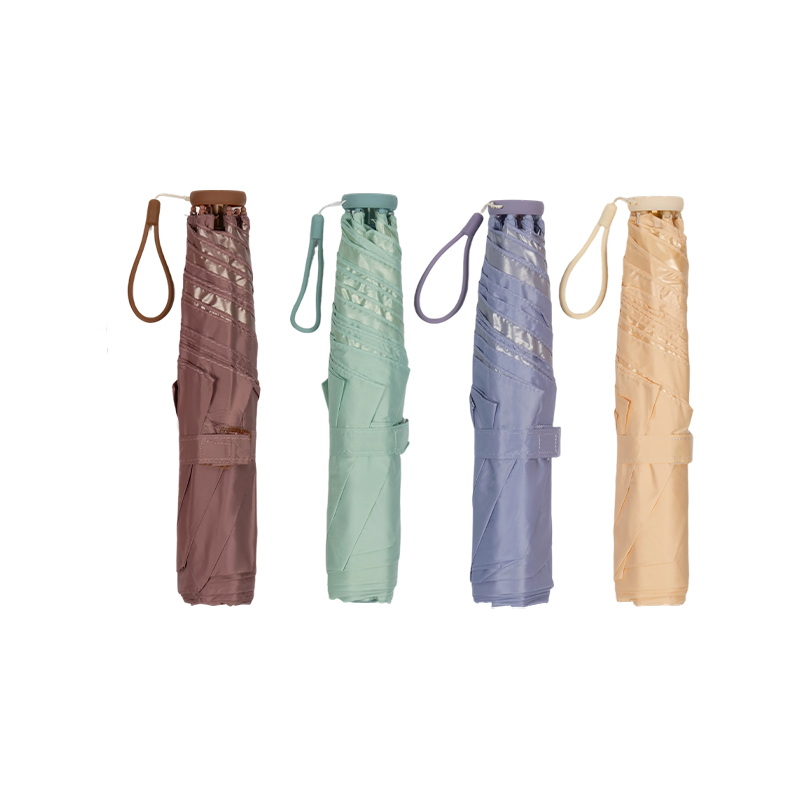
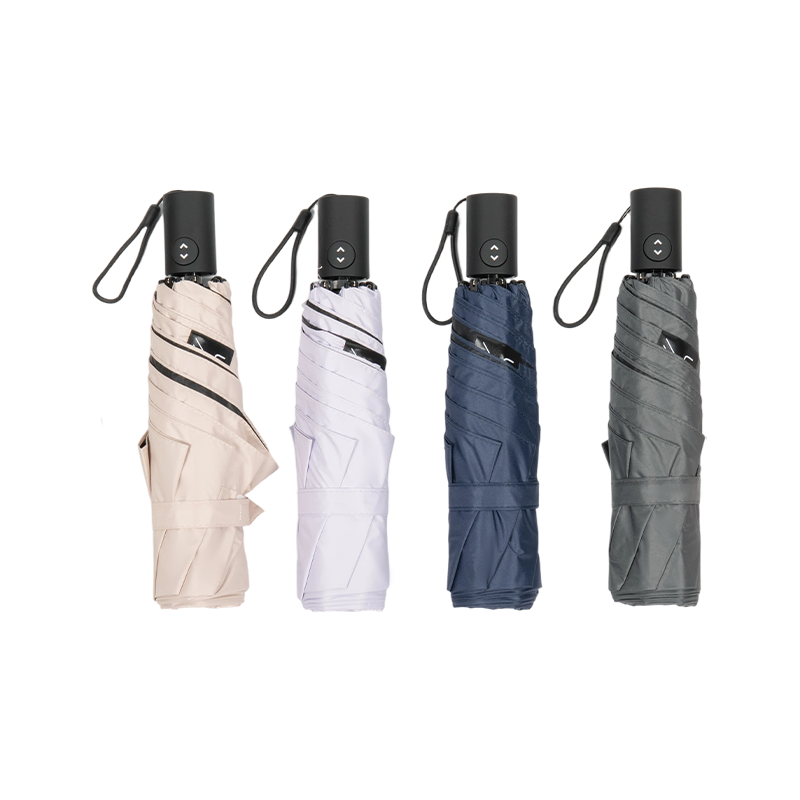
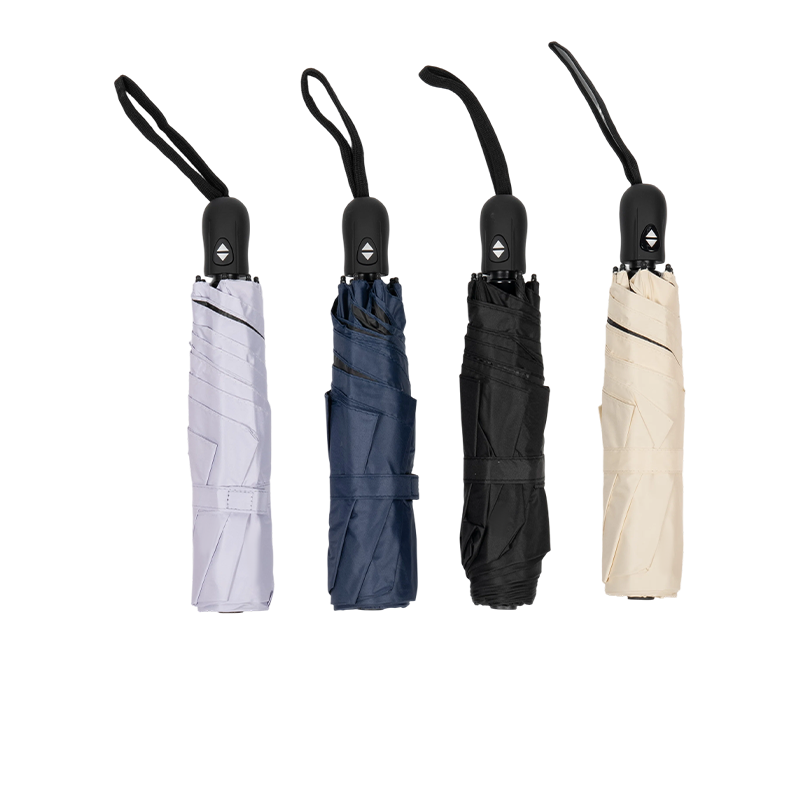
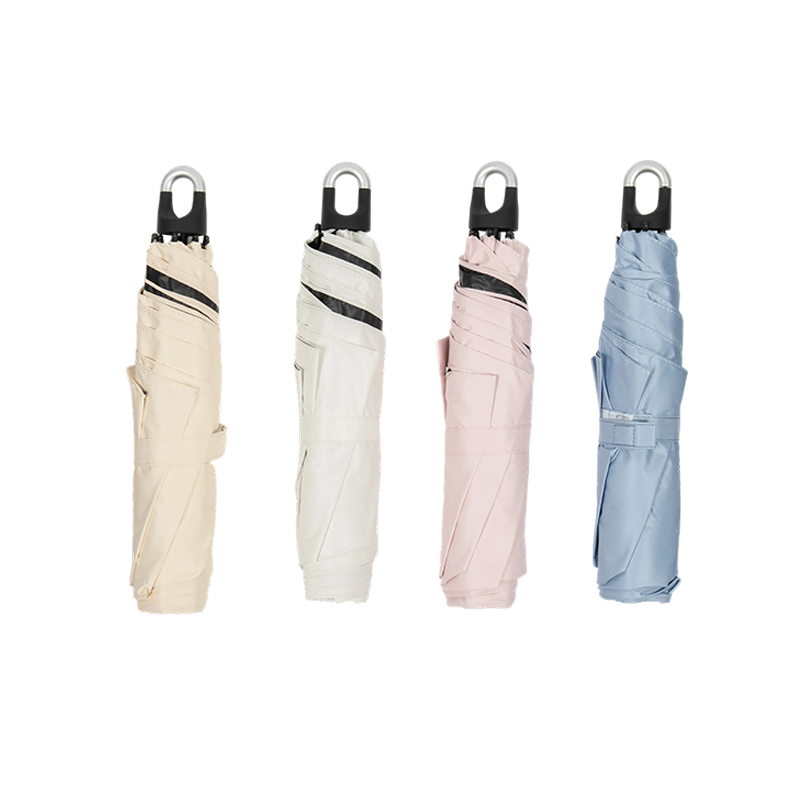
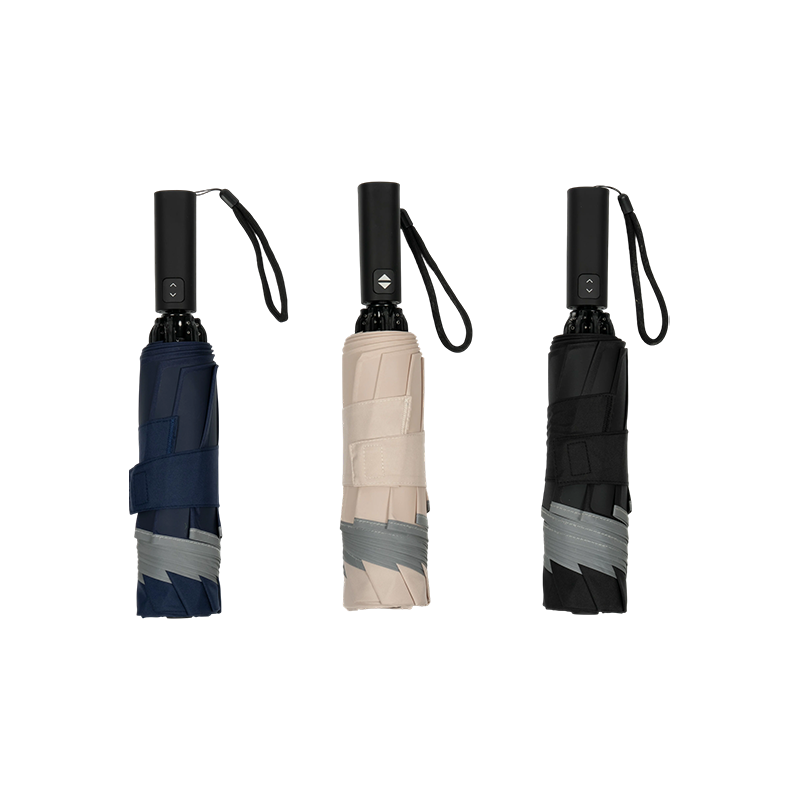
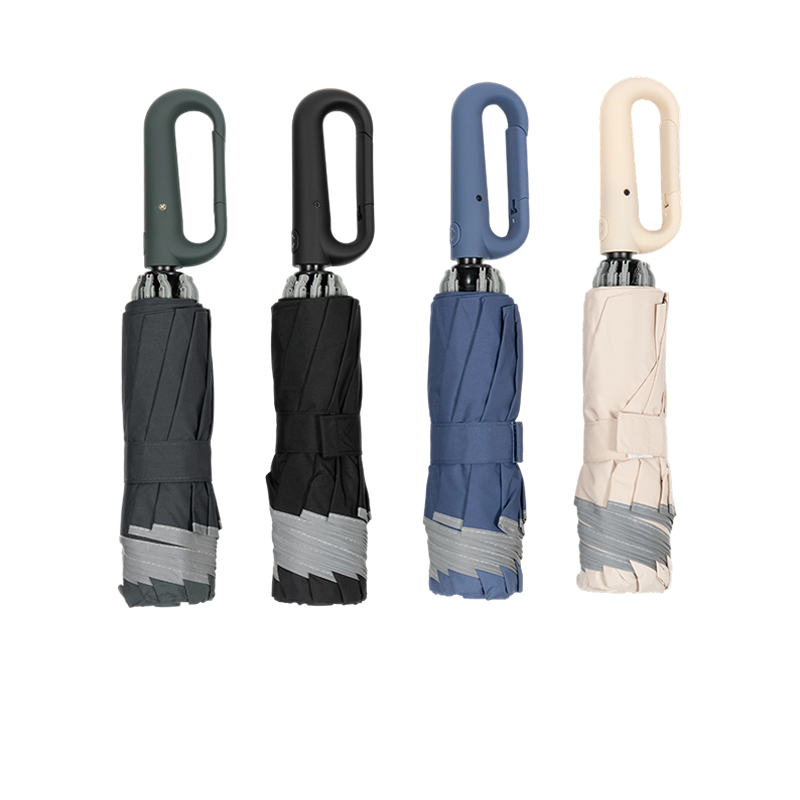
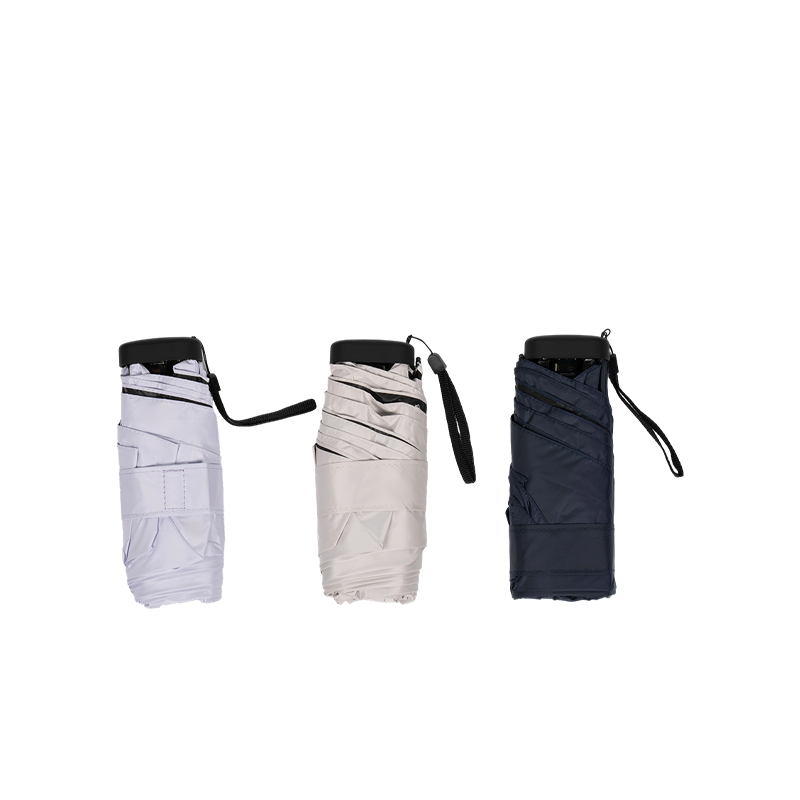
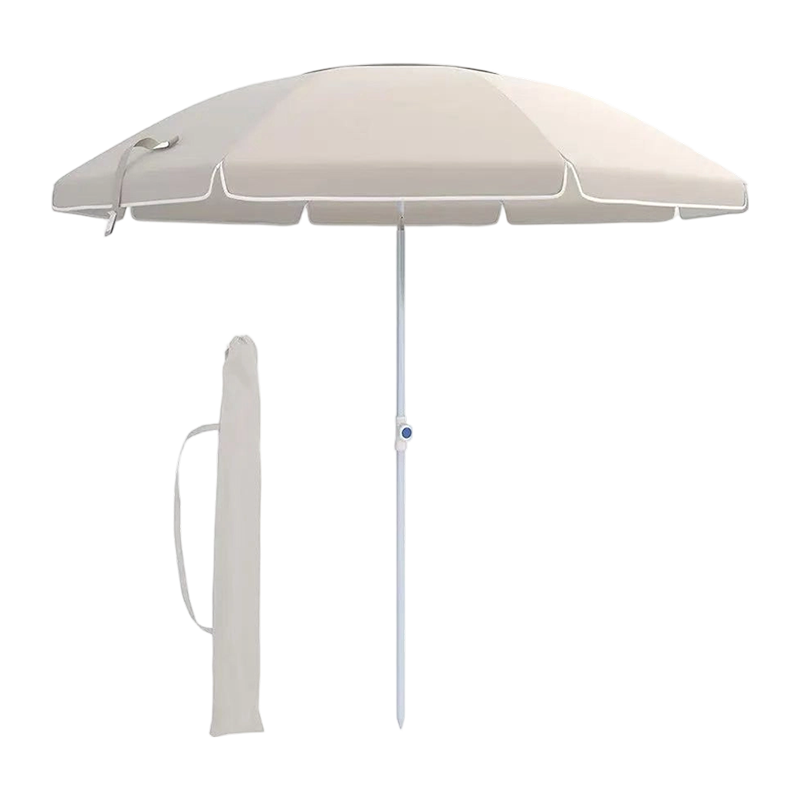
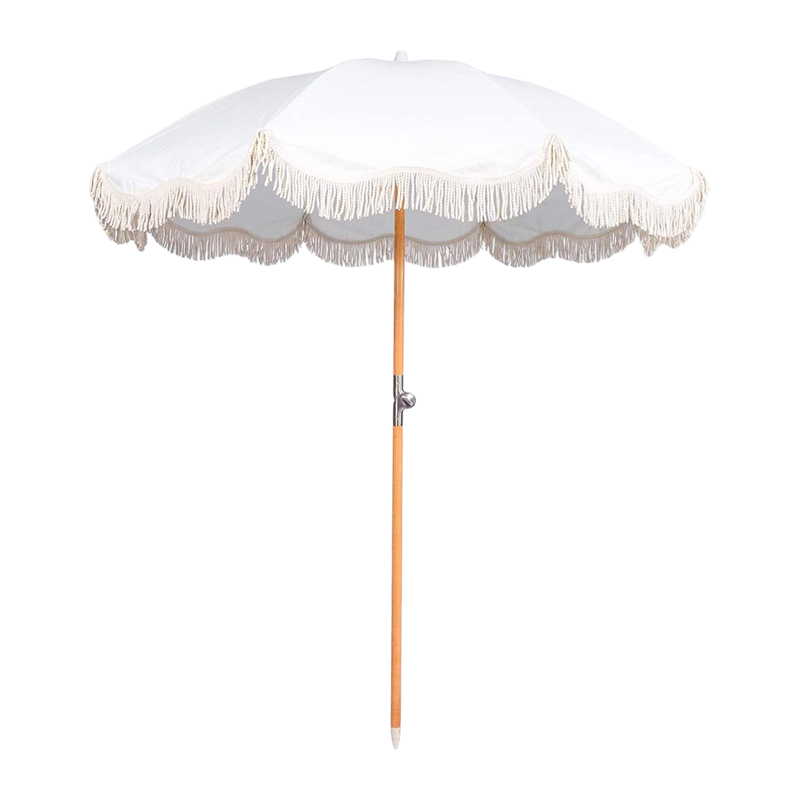
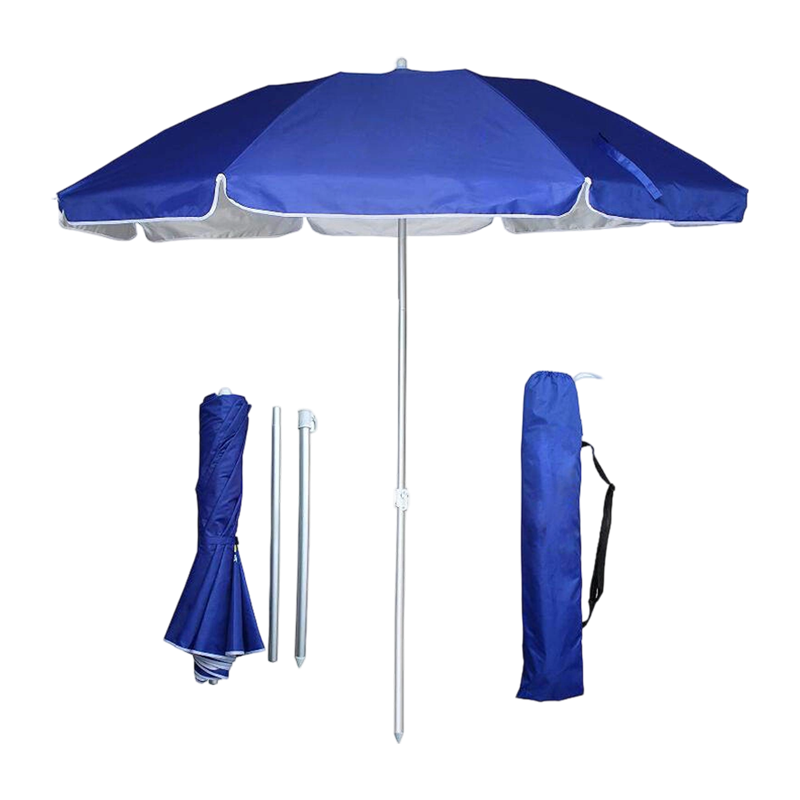



1、Umbrella Categories for Retail, Wholesale and Custom Programs
An umbrella is a simple product on the surface, yet each model combines a frame, a canopy, a handle and an opening mechanism that must work together in rain, sun and wind. Buyers who source in volume usually compare several families at once: straight umbrellas for daily commuting, folding umbrellas for bags and travel, beach umbrellas for shoreline and resort use, and garden umbrellas for patios and outdoor dining. This category page explains how each family is built, where it performs well, and which specifications matter when a project moves from sample to bulk order.
As a custom umbrella manufacturer, we organize the range by use case rather than by appearance alone. A lightweight umbrella for a boutique collection has different priorities from a beach umbrella for a hotel pool deck, and the right choice depends on canopy size, rib material, fabric finish and printing area. The sections below cover common types, working principles, material choices, application scenarios, comparison data, customization steps, maintenance and frequently asked questions.
The ranges described here suit importers, retail chains, gift suppliers, hotel purchasers and online sellers who need a dependable lightweight umbrella wholesale factory partner with flexible OEM options.
2、Common Umbrella Types and Their Characteristics
Four product families cover most commercial demand. Each family has a distinct structure, a typical canopy range and a set of settings where it is used most often.
(1) Straight Umbrellas
Straight umbrellas use a single-piece shaft that runs from the handle to the canopy tip. The rigid shaft gives a stable grip, a large canopy and a clean profile for logo printing. They are common in corporate gifting, hotel lobbies, retail counters and city commuting, where carrying length is less important than coverage and handle comfort.
(2) Folding Umbrellas
Folding umbrellas use a telescopic shaft and hinged ribs so the canopy collapses to a short packed length. Two-fold, three-fold and five-fold designs are available, and compact five-fold models fit small handbags. This family is the core of lightweight umbrella programs for women, students, travelers and online marketplaces.
(3) Beach Umbrellas
Beach umbrellas have a wide canopy, a long pole with a pointed or screw-type base and a tilt feature that follows the angle of the sun. The canopy fabric is chosen for sun shading, and many models include a vented top to release wind pressure. Resorts, beach clubs, camping suppliers and seasonal retailers use them most often.
(4) Garden Umbrellas
Garden umbrellas are larger shade structures for patios, cafes, terraces and poolside seating. They commonly use a central pole, a crank or push-up opening system and a base or sleeve that holds the pole upright. Fabric weight, pole thickness and rib count are the main factors that determine stability.
| Type | Frame Structure | Carrying Form | Main Use |
|---|---|---|---|
| Straight | One-piece shaft | Full length | Commuting, gifts, hotels |
| Folding | Telescopic shaft, hinged ribs | Compact, bag size | Travel, retail, online sales |
| Beach | Long pole, tilt joint | Long, with carry bag | Shoreline, resorts, camping |
| Garden | Central pole, crank system | Fixed or base mounted | Patios, cafes, poolside |
3、Working Principle and Structure of an Umbrella
Every umbrella relies on a simple mechanical idea. A runner slides along the shaft and pushes the stretchers, which lift the ribs outward and pull the canopy tight. When the runner reaches the upper notch or spring catch, the frame locks in the open position. Closing reverses the movement and folds the ribs back against the shaft.
(1) Main Components
- Ribs and stretchers: steel, aluminum or fiberglass parts that shape the canopy and carry wind load.
- Shaft and runner: the central axis and the sliding part that opens and closes the frame.
- Canopy fabric: polyester or pongee with a water-repellent or sun-shading coating.
- Handle and tip: the grip, the ferrule and any wrist strap that affect comfort and daily use.
(2) Portability Comparison
The chart below ranks the four families by carrying convenience on a five-point reference scale, where a higher bar means a shorter and lighter package for daily travel.
This horizontal bar chart shows why folding umbrellas lead every lightweight umbrella program aimed at commuters and travelers. The folding family scores 5.0 because the telescopic shaft reduces the packed length to a fraction of a full shaft. Straight umbrellas score 3.0 since they keep the full length but remain easy to carry by hand or hang on an arm. Beach umbrellas score 2.0 because the long pole and wide canopy require a carry bag. Garden umbrellas score 1.0 because they are designed to stay in place rather than travel. The scale is a reference rating for comparing structure, not a laboratory measurement.
4、Folding Design and Lightweight Umbrella Materials
A lightweight umbrella is the result of material choices and frame design working together. Fiberglass ribs reduce weight and flex under wind rather than bending permanently. Aluminum shafts lower the total weight compared with a full steel shaft. Thin pongee or polyester fabric with a fine weave keeps the canopy light while still holding a water-repellent coating.
(1) Packed Length by Folding Style
The line chart compares the relative packed length of straight and folding models, with a straight umbrella set at 100 as the reference point.
The line falls steeply between the straight model and the two-fold model, which shows that the first fold produces the largest reduction in length. Each additional fold shortens the package further, and a five-fold model reaches roughly 30 percent of the straight reference length on this index. More folds also add hinges and joints, so the frame must be assembled with care to keep opening and closing smooth. Many buyers choose a three-fold design as a balance between a compact size and a simple mechanism. The figures are indicative values used to explain the trend and will vary with canopy size and rib length.
(2) Material Options
- Fiberglass ribs: flexible and light, suited to folding umbrellas and windy city use.
- Aluminum shafts and poles: reduce weight and resist surface corrosion in humid or coastal settings.
- Pongee and polyester canopy: light, quick to dry and well suited to full-color printing.
- Sun-shading coating: adds a dark underside layer that reduces light passing through the canopy.
5、Application Scenarios and Selection Points
Choosing between straight umbrellas, folding umbrellas, beach umbrellas and garden umbrellas starts with the setting. The questions that matter most are how far the umbrella will be carried, how much wind it will face, how many people it should cover and how large the printing area needs to be for brand display.
(1) Canopy Coverage by Type
This column chart compares the typical shade area of each family on a five-point reference scale. Garden umbrellas reach 5.0 because their canopies are sized to cover tables and seating groups. Beach umbrellas follow at 4.5, since a wide canopy is needed to protect more than one person from direct sun. Straight umbrellas offer a larger canopy than most folding models, which suits users who prioritize coverage during commuting. Folding umbrellas score 3.0 because the compact frame limits canopy span, though many are still sized for one adult in rain. Buyers can use these values to match canopy size to the expected number of users.
(2) Selection Checklist
- Define the main setting: commuting, travel, shoreline, patio or promotional use.
- Select the canopy diameter and number of ribs based on the expected wind level.
- Choose rib and shaft materials that fit the weight target of the lightweight umbrella program.
- Pick a fabric finish for rain repellence, sun shading or both.
- Confirm the handle shape, opening method and carry accessories such as sleeves or straps.
6、Detailed Comparison of Folding and Straight Umbrellas
Folding and straight models account for most wholesale orders, so a side-by-side view helps buyers decide which family fits a collection. The radar chart below rates both across five practical factors on the same five-point scale.
The radar chart shows two different profiles rather than a winner. Folding umbrellas extend farthest on portability and storage ease, which explains their popularity in women's collections and online retail. Straight umbrellas extend farther on wind resistance, canopy size and print area because the rigid shaft supports a stronger frame and a flatter surface for logos. A buyer building a gift range may favor straight models for display value, while a retailer serving travelers may favor folding models. Many wholesale programs combine both so that one supplier covers several customer groups. The scores are reference values for planning and do not replace testing on a specific sample.
| Factor | Folding Umbrellas | Straight Umbrellas |
|---|---|---|
| Carrying | Fits in a bag | Carried by hand |
| Frame Joints | Several hinges | Fewer joints |
| Opening | Manual or auto open | Manual or auto open |
| Gift and Promotion | Compact packaging | Large logo surface |
| Best For | Travel and daily bags | Commuting and display |
7、Custom Umbrella Manufacturer Services for Wholesale Buyers
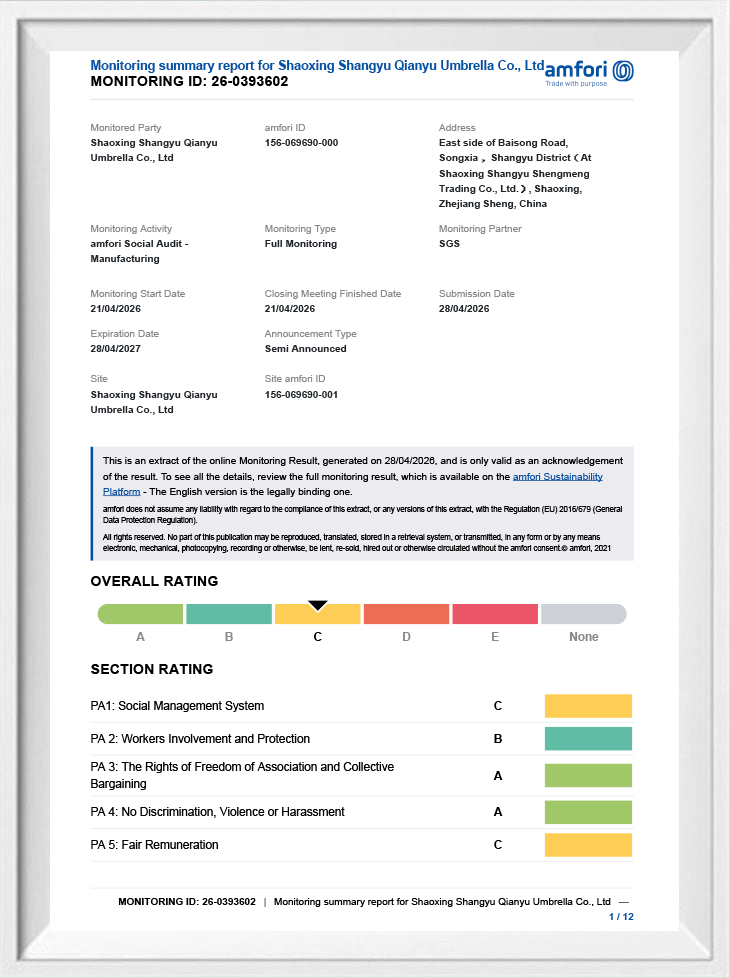
Shaoxing Shangyu Qianyu Umbrella Co., Ltd was founded in 2013 in Shangyu, Shaoxing, and works as a custom umbrella manufacturer and lightweight umbrella wholesale factory that combines research and development, online and offline retail, and wholesale supply. The company focuses on stylish small umbrellas for women and offers a wide selection of lightweight models, together with flexible OEM services for global buyers. As a China umbrella company and supplier, it covers custom straight, folding, beach and garden umbrellas within one sourcing channel.
(1) Customization Options
- Canopy fabric, color matching, pattern design and logo printing.
- Frame type, rib count, shaft material and opening mechanism.
- Handle shape, wrist strap and protective sleeve design.
- Retail packaging, carton marking and bulk packing methods.
(2) Typical Project Flow
- Share the target market, product type and design reference.
- Review frame and fabric options and confirm the specification.
- Approve the sample with print, color and structure details.
- Move to bulk production with in-process checks.
- Arrange packing and shipment according to the order plan.
Having design, production and wholesale handled in one place shortens communication between sample approval and bulk output. Buyers who run both online and offline channels can also request different packaging for each channel from the same factory.
8、Application Cases and Maintenance Guidance
(1) Application Cases
A boutique retailer building a spring collection can use three-fold lightweight umbrellas with printed floral canopies to complement fashion accessories. A hotel group can place straight umbrellas with a logo canopy at the front desk for guests on rainy days. A beach resort can equip loungers with tilting beach umbrellas that use a vented canopy for gusty shoreline conditions. A cafe terrace can use garden umbrellas with a crank mechanism so staff can adjust shade quickly through the day.
(2) Maintenance Guidance
Regular care extends the service life of every umbrella family. The chart below summarizes how often common tasks are recommended in normal use.
The bar lengths indicate how often each task is suggested, with the longest bar marking the most frequent habit. Letting the canopy dry open after rain is the single most useful step, because trapped moisture can cause odor and weaken the coating over time. A soft cloth with mild soap handles dust and stains on the fabric without harming the finish. Hinges and the runner benefit from a quick inspection every two months so that loose screws or bent stretchers are found early. A small amount of light lubricant on the sliding parts once per season keeps the opening action smooth. These intervals are general suggestions and can be adjusted to climate and frequency of use.
- Store umbrellas in a dry, ventilated place away from direct heat.
- Close beach and garden umbrellas during strong gusts to protect the frame.
- Rinse beach umbrellas with fresh water after use near salt water.
9、Frequently Asked Questions
(1) What types of umbrellas can be customized for wholesale?
Straight umbrellas, folding umbrellas, beach umbrellas and garden umbrellas can all be customized in canopy fabric, color, print, frame type and handle design to match a brand or market.
(2) What makes a lightweight umbrella different from a standard one?
A lightweight umbrella uses lighter ribs such as fiberglass, thinner shafts and a fine-weave fabric so that the total weight is lower and the package is easier to carry in a bag.
(3) Which umbrella type suits windy locations?
Models with more ribs, flexible fiberglass frames or vented canopies handle gusts more smoothly. Beach and garden umbrellas should also be closed when the wind becomes strong.
(4) Can logos and patterns be printed on the canopy?
Yes. Straight umbrellas offer a large flat print surface, and folding, beach and garden umbrellas can carry full-color patterns or logos on the panels according to the approved artwork.
(5) How should a buyer start a custom order?
Send the target market, preferred type, canopy size, fabric and print requirements. The team at Shaoxing Shangyu Qianyu Umbrella Co., Ltd then confirms the specification, prepares a sample and plans bulk production with the buyer.
(6) How can an umbrella be cleaned safely?
Open the umbrella, wipe the canopy with a soft cloth and mild soap solution, rinse with clean water and let it dry fully before closing and storing it.